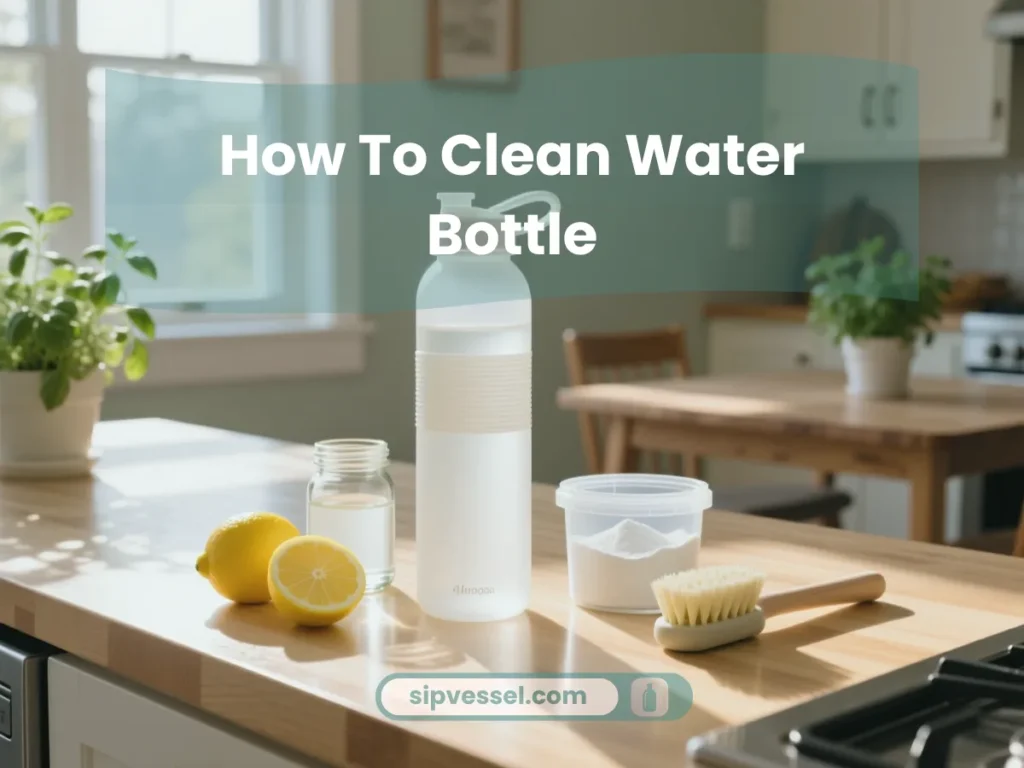
Cleaning your favorite bottle daily may look simple, but many people still wonder how to clean water bottle the right way. This is important because bottles collect bacteria, odors, and residue much faster than we realize. A fresh, clean bottle not only tastes better but also keeps you safe from germs and mold.
In this article, we will find out the easiest, safest, and most effective ways to clean a water bottle, remove smells, kill germs, and maintain long-lasting hygiene.
Table of Contents
ToggleFor more hydration tips, you can check our guide on How To Clean Contigo Water Bottle .
Benefits of Reading How To Clean Water Bottle
1. You Learn Safe, Simple Cleaning Methods
Understanding how to clean water bottle teaches you safe and easy ways to keep your bottle fresh. You discover natural cleaning products like baking soda, vinegar, and lemon that remove germs without harmful chemicals. This makes daily cleaning quick and stress-free.
Short, clear steps help you clean fast without confusion. Anyone, even kids, can follow these methods easily.
2. You Prevent Odor, Mold, and Bacteria Growth
Regularly learning how to clean water bottle helps you avoid the bad smells that build up inside. Mold grows quickly if bottles stay damp, and this guide shows you how to remove it safely.
By keeping your bottle hygienic, you enjoy healthier drinking water every day.
3. You Save Money by Making Your Bottle Last Longer
Proper bottle cleaning keeps stainless steel, plastic, and insulated bottles in good condition. When you maintain them well, they last longer and save you from buying new ones again and again. A clean bottle also keeps your drinks tasting fresh.
For more hydration tips, you can check our guide on How To Clean Stainless Steel Water Bottle.
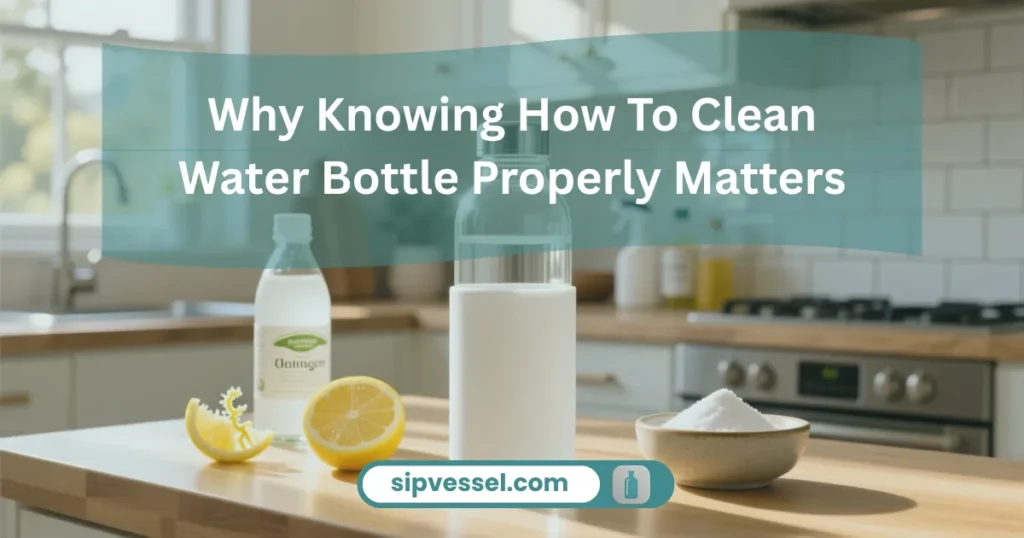
Why Knowing How To Clean Water Bottle Properly Matters
Daily hydration is important, but if your bottle isn’t clean, every sip can bring germs. Water bottles touch your mouth all day, so they collect bacteria easily. Knowing how to clean water bottle prevents these germs from entering your body.
Another reason it matters is smell. When bottles stay unwashed, they start to smell bad. Cleaning them regularly keeps your water tasting fresh.
What Happens If You Don’t Clean Your Water Bottle
Skipping bottle cleaning can cause bacteria to build up. These bacteria come from your mouth, hands, and leftover water. They multiply quickly inside the damp bottle.
You may also see mold forming around the lid, cap, or bottom. Mold can cause sickness and give your bottle a strange taste or odor.
How To Clean Water Bottle
For daily cleaning, all you need is warm water and dish soap. Add a few drops of soap, shake well, and rinse thoroughly. This removes surface dirt and prevents bacteria growth.
Make sure you wash the cap and lid too. They often store more germs than the bottle itself.
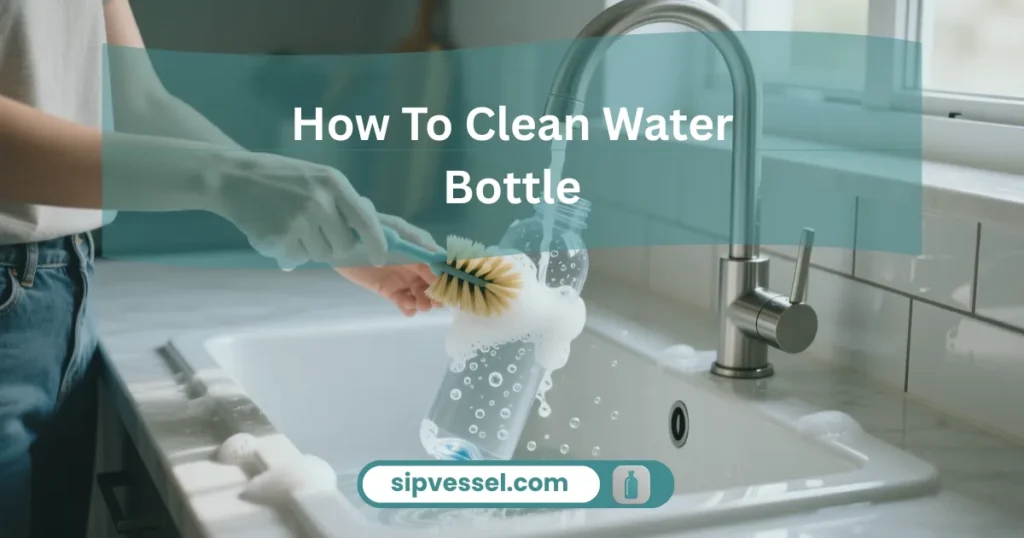
How To Clean Water Bottle With Bottle Brush
A bottle brush is perfect for reaching the bottom and corners. Add soap and warm water, then scrub the sides properly. Move the brush in circles to remove residue.
Rinse well to make sure no soap remains inside.
Most hydrogen water bottles are not dishwasher-safe because high heat can damage seals or internal parts. Always check the manufacturer’s instructions before using a dishwasher.
How To Clean Water Bottle Without a Brush
If you don’t have a brush, fill the bottle with warm water and add a teaspoon of rice. Shake hard for 30 seconds. The rice acts like a scrub.
This removes stuck particles and makes your bottle clean from inside.
How To Deep Clean Water Bottle Once a Week
Deep cleaning keeps your bottle fresh and odor-free. Use vinegar by filling the bottle halfway, shaking, and letting it sit for 15 minutes. This kills bacteria naturally.
Baking soda can also be used. Mix one tablespoon with warm water and shake well. It removes stains and smells.
How To Clean Stainless Steel Water Bottle
Stainless steel bottles are strong but need gentle cleaning. Avoid bleach because it damages metal. Use vinegar or baking soda instead. Rinse with warm water afterward.
Let it air-dry upside down to avoid water spots.

How To Clean Plastic Water Bottle Safely
Plastic bottles can hold odors more easily. Use lemon water or baking soda to remove smell. Avoid hot boiling water as it may damage plastic.
Wash the cap thoroughly because it collects the most bacteria.
How To Remove Odor From Water Bottle Naturally
Baking Soda
Mix 1-2 tablespoons of baking soda with warm water, fill the bottle, and let it sit overnight. Shake it occasionally, then rinse thoroughly. Baking soda neutralizes odors rather than just masking them.
White Vinegar
Fill your bottle with equal parts white vinegar and warm water, let it soak for several hours or overnight, then rinse well. Vinegar breaks down odor-causing bacteria and residue.
Lemon Juice
Squeeze fresh lemon juice into your bottle, add warm water, and let it sit for a few hours. The citric acid naturally deodorizes and leaves a fresh scent. You can also add lemon peels for extra cleaning power.
Salt and Ice
For stubborn odors and stains, add coarse salt and ice cubes to your bottle with a little water. Shake vigorously for a few minutes—the abrasive action scrubs the interior while the salt absorbs odors.
Denture Tablets
Drop 1-2 denture cleaning tablets into warm water in your bottle and let it fizz for 30 minutes to an hour. They’re designed to kill bacteria and remove odors.
Sunlight
After cleaning, leave your bottle open in direct sunlight for several hours. UV rays naturally kill bacteria and help eliminate lingering smells.
How To Get Rid of Mold in Water Bottle
Mold can grow in your water bottle if it isn’t cleaned regularly. It’s common in damp areas like lids, straws, and corners. Drinking from a moldy bottle can make you sick, so it’s important to clean it immediately. Knowing how to get rid of mold in water bottle keeps your hydration safe and fresh.
Mold thrives in warm, damp environments. Bottles that are not dried properly or left with leftover water are perfect breeding grounds. Rubber seals, lids, and straws are the most common spots for mold.

How To Clean Water Bottle Lids, Caps, and Straws
Lids and caps need special attention. Remove all parts, including rubber rings. Soak them in warm soapy water for 10 minutes.
For straws, use a thin straw brush or pipe cleaner to scrub the inside.
How To Clean Water Bottle Spout & Rubber Seal
Remove the spout or rubber seal if possible. Soak in vinegar water for 5 minutes. Scrub gently with a small brush.
Rinse and let air-dry fully before assembling.
How Often Should You Clean Your Water Bottle?
Keeping your water bottle clean is crucial for safe hydration. How often should you clean your water bottle depends on how you use it, what you put inside, and the bottle type. Regular cleaning prevents bacteria, mold, and odors from building up.
Daily Cleaning
For everyday use, especially if you drink only water, wash your bottle once a day. Use warm water and dish soap, rinse thoroughly, and scrub the bottom and corners with a bottle brush. Remove the lid and cap to wash them separately. Even if your bottle looks clean, daily cleaning ensures germs don’t multiply.
Deep Weekly Cleaning
Even if you clean your bottle daily, it’s important to deep clean it once a week. This removes stubborn residue, kills hidden bacteria, and prevents mold growth. Use natural cleaners like vinegar, baking soda, or lemon for this deep clean. Stainless steel and insulated bottles especially benefit from a weekly deep clean, as they trap odors and moisture more easily.

Best Natural Ingredients To Clean Water Bottles
Cleaning your water bottle doesn’t always require harsh chemicals. Using natural ingredients to clean water bottles is safe, effective, and eco-friendly. These ingredients not only remove bacteria and mold but also eliminate odors, leaving your bottle fresh and safe for daily hydration.
White Vinegar
White vinegar is a powerful natural disinfectant. To clean your bottle, mix one part vinegar with three parts warm water. Fill the bottle and let it sit for 15–30 minutes. Shake well, scrub the inside with a bottle brush, and rinse thoroughly. Vinegar kills bacteria, removes odors, and prevents mold growth, making it one of the best ways to clean water bottle naturally.
Baking Soda
Baking soda is excellent for scrubbing and deodorizing. Add one to two tablespoons of baking soda with warm water inside your bottle. Shake it vigorously and let it sit for 10–15 minutes. Use a brush to scrub stubborn stains. Baking soda is safe for plastic, stainless steel, and glass bottles and removes lingering odors effectively.
Lemon
Lemon juice has natural antibacterial and deodorizing properties. Squeeze half a lemon into your bottle, add warm water, and shake well. Let it sit for 10–15 minutes, then rinse thoroughly. Lemon not only cleans the bottle but also leaves a fresh, citrusy scent.
Hot Water
Sometimes, hot water alone is enough for everyday cleaning. Pour hot (not boiling) water into your bottle, let it sit for a few minutes, and shake vigorously. Hot water helps loosen residue and kills some bacteria, making it easier to scrub and rinse.
Salt
Salt can act as a gentle abrasive to remove stains. Combine a teaspoon of salt with warm water and shake the bottle thoroughly. This is particularly useful for bottles with tough residue at the bottom.
Table: Everyday vs Deep Cleaning Methods
| Cleaning Type | Method & Ingredients | Best For / Purpose | Frequency |
|---|---|---|---|
| Everyday Cleaning | Warm water + mild dish soap; scrub with bottle brush | Removes everyday residue and prevents bacteria buildup | After each use |
| Quick Rinse | Hot water only | Refreshes bottle when lightly used | 1–2 times per day |
| Deep Cleaning | Vinegar soak, Baking soda, Lemon juice | Kills bacteria, removes mold, stains, and odors | Once a week |
| Lid/Straw Cleaning | Soak caps, straws, rubber seals in warm soapy water | Prevents hidden mold and bacteria accumulation | Daily + during deep clean |
| Combination Method | Baking soda + vinegar + warm water | Maximum cleaning power for tough residue and odor | Weekly |
Clean Your Bottle Daily
The most effective way to prevent smell and bacteria is to wash your bottle after every use. Use warm water and mild dish soap, and scrub the inside thoroughly with a bottle brush. Don’t forget the lid, cap, and straws, as these areas often collect the most bacteria. Daily cleaning keeps your water tasting fresh and reduces the risk of germs multiplying.
Dry Completely Before Storing
Moisture encourages bacteria and mold growth. After washing, let your bottle and all its parts air-dry completely upside down. Avoid closing the lid while it’s still damp. Storing a dry bottle prevents unwanted odors and helps maintain a hygienic drinking environment.
Use Natural Preventative Methods
Vinegar rinse
Occasionally rinse your bottle with a mixture of vinegar and water to kill germs naturally.
Lemon slices
Add lemon for a fresh scent and mild antibacterial effect.
Baking soda
A small baking soda solution can prevent odors from forming in between washes.
Avoid Leaving Drinks in Your Bottle Too Long
Especially for juices, milk, or flavored drinks, bacteria can grow faster than in plain water. Finish drinks promptly or transfer leftovers to another container. Water bottles are best used for fresh, clean liquids to minimize smell and bacterial growth.
By following these habits, you can prevent smell and bacteria in water bottles effectively, ensuring a safe and fresh drinking experience every time.
Personal Experience
I used to think that rinsing my water bottle with plain water was enough. But over time, I noticed a strange smell and some sticky residue inside. That’s when I learned how to clean water bottle properly using warm water, soap, and a bottle brush. After following a simple daily routine, my bottle felt fresh, smelled clean, and was safe to drink from every day.
After that, I started deep cleaning my bottle once a week using vinegar or baking soda. I also made sure to clean the lid, straw, and rubber seal thoroughly. By taking these small steps, I no longer worry about mold, odor, or bacteria. Learning how to clean water bottle not only improved hygiene but also made my hydration experience more enjoyable and worry-free.
Frequently Asked Questions
How do I clean a smelly water bottle quickly?
Fill your bottle with warm water and a few tablespoons of white vinegar or lemon juice. Shake well, let it sit 10–15 minutes, then rinse thoroughly. This removes odor naturally without chemicals.
Can I use baking soda to clean my water bottle?
Yes! Add 1–2 tablespoons of baking soda and warm water, shake well, and scrub with a bottle brush. Baking soda helps remove stains, odors, and bacteria safely.
How often should I clean my water bottle to avoid mold?
Wash your bottle daily with warm water and soap, and perform a deep clean with vinegar or baking soda once a week. Daily cleaning prevents bacteria and mold buildup.
Is mold in a water bottle harmful to drink from?
Yes, mold can cause digestive issues and allergies. If you spot mold, deep clean immediately using vinegar or baking soda to ensure your bottle is safe.
Can I clean stainless steel water bottles with bleach?
No. Bleach can damage the metal surface and leave harmful residues. Use natural cleaners like vinegar, lemon, or baking soda instead.
What is the best way to dry a water bottle after cleaning?
Air-dry your bottle upside down with the lid off. Make sure all parts, including straws and rubber seals, are completely dry to prevent bacteria growth.
Can I clean my water bottle without a brush?
Yes! Add warm water and a small amount of uncooked rice. Shake vigorously for 30–60 seconds; the rice acts as a scrub to remove residue from hard-to-reach areas.
How do I clean water bottle straws effectively?
Use a thin straw cleaning brush or pipe cleaner with warm soapy water. Shake and rinse thoroughly to remove hidden bacteria and buildup inside the straw.
How can I remove stubborn stains or residue from my water bottle?
Make a paste using baking soda and water, scrub the inside with a bottle brush, let it sit for 10 minutes, and rinse thoroughly. For tough stains, combine with a vinegar soak.
What is the safest way to clean water bottles for everyday use?
Warm water and mild dish soap with thorough rinsing is safe for all bottle types. Daily cleaning keeps your bottle free from germs, odors, and stains.
Conclusion
Keeping your water bottle clean is more than just a routine task—it’s essential for your health and daily hydration. Learning how to clean water bottle properly helps prevent bacteria, mold, and unpleasant odors, ensuring that every sip of water you take is safe and fresh. Whether you use a stainless steel, plastic, or glass bottle, consistent cleaning keeps your hydration tools hygienic and your drinks tasting better.
By following simple daily cleaning habits, like washing with warm water and soap, and combining them with weekly deep cleaning using natural ingredients such as vinegar, baking soda, or lemon, you can protect yourself from harmful bacteria. Cleaning lids, caps, and straws thoroughly further ensures no hidden germs remain. With these easy steps, maintaining a clean water bottle becomes simple and stress-free, making your hydration routine both healthy and enjoyable.
Before you go, don’t miss our helpful post on How To Clean Hydrogen Water Bottle .
Cleaning your favorite bottle daily may look simple, but many people still wonder how to clean water bottle the right way. This is important because bottles collect bacteria, odors, and residue much faster than we realize. A fresh, clean bottle not only tastes better but also keeps you safe from germs and mold.
In this article, we will find out the easiest, safest, and most effective ways to clean a water bottle, remove smells, kill germs, and maintain long-lasting hygiene.

John Bobo is an author who enjoys sharing ideas, stories, and insights with readers. He writes to inspire, inform, and connect with people through his work.