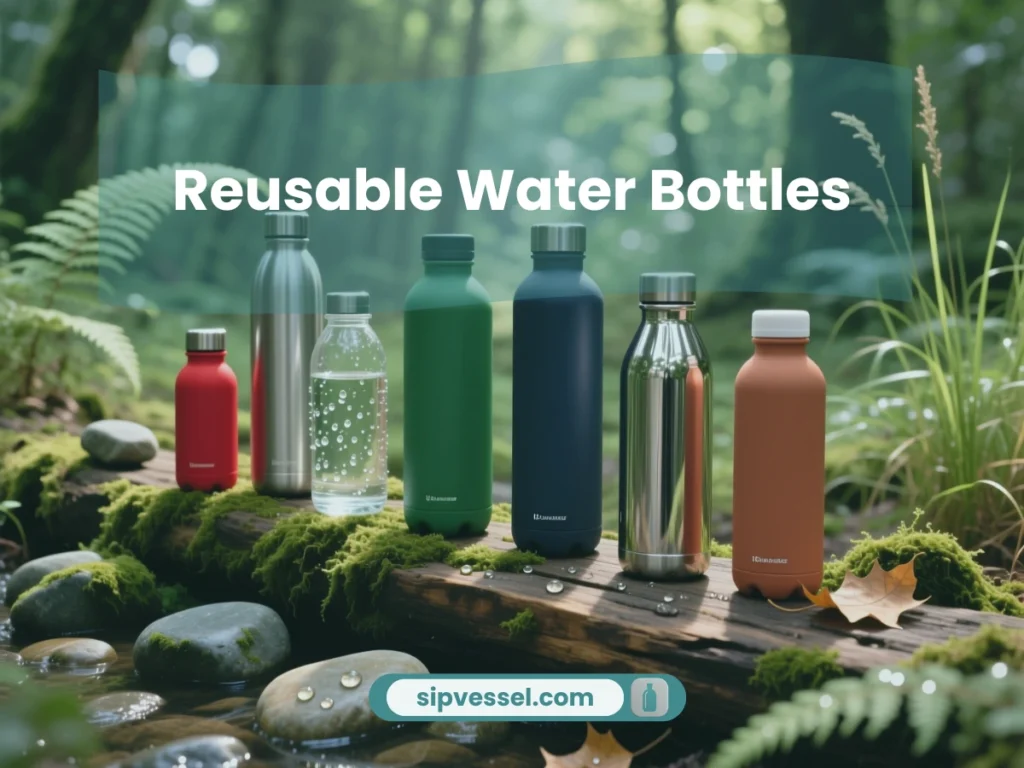
Reusable water bottles are amazing for helping our planet stay clean and healthy. Every day, people throw away millions of plastic bottles that hurt animals and make our oceans dirty. When you use a refillable bottle instead, you stop creating trash and help save nature. This simple choice makes a big difference for the environment.
In this article, we will find out why reusable water bottles are environmentally important and how they protect Earth. You will learn about plastic pollution, saving money, and making better choices. These easy tips will show you how one small change can create a cleaner, safer world for everyone.
Table of Contents
ToggleThe Benefits of Reading About Reusable Water Bottles
Understanding Your Environmental Impact
Learning about reusable water bottles helps you see how your choices affect nature. When you know how plastic bottles damage our planet, you can make smarter decisions. This knowledge gives you power to protect the environment through simple daily actions.
Reading this information teaches you which bottles are best for Earth. You will understand why some materials work better than others for sustainability. With these facts, you can pick products that truly help reduce waste and pollution every day.
Making Informed Sustainable Choices
Knowing about eco-friendly bottles helps you spend money on products that last long. You can avoid buying things that only look green but don’t really help nature. Smart shopping means choosing quality items that reduce your impact on the environment for years.
This information stops companies from tricking you with fake environmental claims. You will recognize real sustainable products versus just good marketing. Your educated choices support businesses that truly care about protecting our beautiful planet.
Inspiring Others Through Awareness
When you learn about sustainable products, you naturally share this knowledge with friends and family. Your good choices encourage others to think about their own habits. This creates a positive chain reaction where more people start helping the environment together.
Your example shows that caring for Earth is easy and makes sense. People notice when you use reusable water bottles and often ask questions about it. These conversations spread awareness and inspire communities to make environmentally friendly changes in their lives.
For more hydration tips, you can check our guide on LARQ Water Bottle.
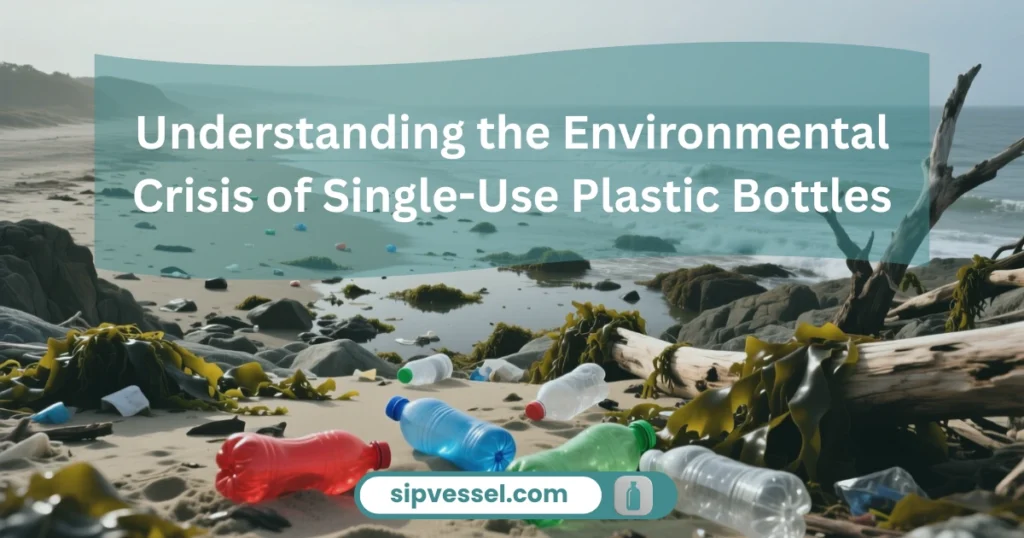
Understanding the Environmental Crisis of Single-Use Plastic Bottles
Our planet has a huge problem with plastic waste getting bigger every year. Single-use plastic bottles are one of the worst things hurting our environment right now. These bottles take hundreds of years to break down and release harmful chemicals into soil and water.
The amount of plastic pollution is scary when you see the real numbers. From mountains to oceans, plastic trash has reached every part of Earth. Understanding this problem helps us realize why switching to reusable water bottles matters so much for our future.
How Much Plastic Waste Do Disposable Bottles Create?
Americans throw away about 38 billion plastic bottles every single year into trash dumps and oceans. Only 23% of bottles get recycled, which means most become pollution that never goes away. This massive amount of waste creates problems for animals, plants, and people everywhere on Earth.
Around the world, people buy over one million plastic bottles every minute of every day. This constant flow of trash keeps growing as more bottles get made and thrown away. Each bottle wastes oil, energy, and space while creating pollution that damages our environment forever.
The Journey of Plastic Bottles from Production to Landfill
Making plastic bottles starts with taking oil from the ground, which hurts nature. Factories use lots of energy and release bad chemicals into the air while making bottles. Then trucks and ships burn fuel moving bottles thousands of miles before anyone even drinks the water.
After you finish drinking, the bottle begins 500 years of sitting in trash dumps. Most bottles break into tiny pieces called microplastics that poison water and soil. Some bottles end up in rivers and oceans where they kill fish, turtles, and other animals.
Why Reusable Water Bottles Matter for Our Environment
Switching to reusable water bottles stops the harmful cycle of making and throwing away plastic. These sustainable bottles reduce pollution, save natural resources, and protect animals in nature. Every person who makes this change helps create a healthier planet for future generations.
When millions of people choose eco-friendly bottles, the positive impact becomes huge and visible. This collective action reduces demand for plastic production and decreases waste in communities. Anyone can start helping the environment today by simply using a refillable bottle instead of disposable ones.
Reducing Carbon Footprint Through Sustainable Hydration
Your carbon footprint gets much smaller when you stop buying disposable plastic bottles. Making one plastic bottle creates lots of greenhouse gases that cause climate change problems. A reusable bottle produces less pollution after just a few weeks of regular daily use.
Transporting bottled water burns fuel and releases harmful emissions into our air. Bottles travel an average of 1,500 miles from factories to stores using trucks and ships. When you refill from local water sources, you completely eliminate these transportation emissions and save energy.
Saving Natural Resources and Petroleum
Plastic bottle production uses over 17 million barrels of oil each year just in America. This oil could fuel one million cars for twelve whole months instead. Choosing reusable water bottles helps save this precious oil for more important uses than throwaway containers.
Making bottled water wastes three times more water than what goes inside the bottles. The production process uses water for cleaning and manufacturing that just gets thrown away. Refillable bottles stop this waste and help preserve clean water for people who really need it.
Protecting Marine Life and Ocean Ecosystems
Ocean pollution from plastic bottles kills about 100,000 marine animals every single year. Sea turtles, dolphins, and fish mistake plastic for food or get tangled in trash. Using eco-friendly bottles directly helps protect these beautiful creatures from suffering and dying unnecessarily.
Tiny plastic pieces from broken bottles now exist in every part of the ocean. These microplastics absorb toxic chemicals and get eaten by fish that humans later eat. Choosing reusable water bottles helps prevent new plastic from entering the oceans and harming both animals and humans.
How Do Reusable Water Bottles Help Reduce Plastic Pollution
The way reusable water bottles reduce pollution is simple but very powerful. Each time you refill instead of buying disposable, you prevent another plastic bottle from being made. This action stops pollution at every step from oil extraction to trash disposal in landfills.
When more people join this movement, the positive effects grow much bigger and faster. Communities that embrace sustainable hydration see real decreases in litter and waste problems. This visible success inspires even more people to switch to eco-friendly bottles and help the environment.
The Math Behind One Reusable Bottle
One reusable water bottle replaces about 167 disposable plastic bottles each year for an average person. Over five years, that’s 835 bottles prevented from becoming trash in nature. If one million people switched, it would eliminate 167 million plastic bottles annually from our environment.
The money you save matches these environmental benefits perfectly for your budget. Spending $20 on a quality refillable bottle saves hundreds of dollars yearly compared to buying disposable water. This means helping the planet also helps your wallet at the exact same time.
Breaking the Cycle of Single-Use Consumption
Single-use consumption is a wasteful habit that puts convenience before taking care of Earth. This throwaway culture has created more pollution than any previous generation in history. Choosing reusable water bottles challenges this pattern by showing that sustainable options work just as well.
Breaking free from disposable bottle habits takes a little effort at first but becomes automatic. Keep a refillable bottle in your bag, car, or desk so water is always available. This simple change often inspires people to reduce other throwaway items in their daily lives, too.
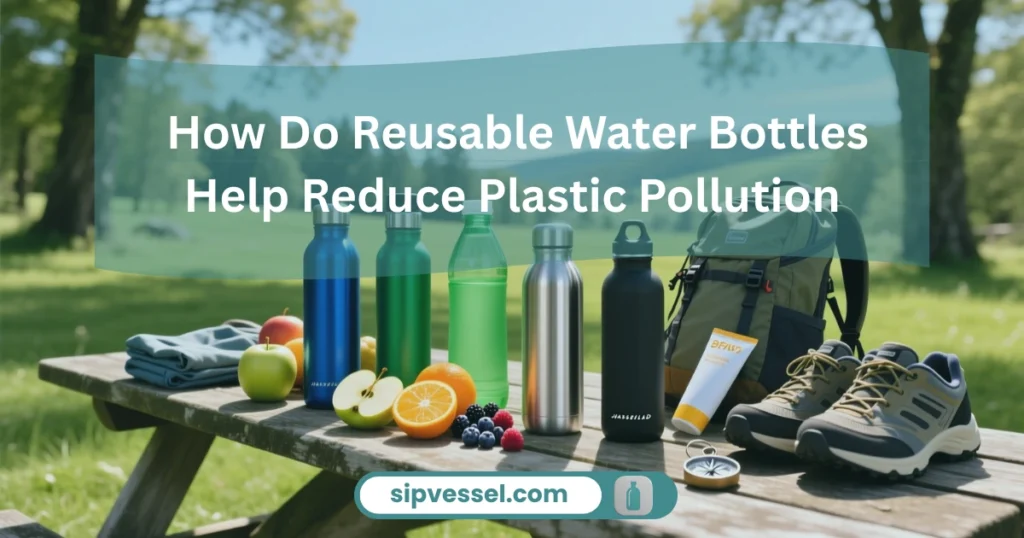
Environmental Benefits of Switching to Refillable Bottles
Switching to refillable bottles provides many environmental advantages beyond just reducing waste. These bottles last for years and have much lower lifetime impacts than disposables. Though making them uses some resources, their long life makes each use almost impact-free over time.
The benefits keep growing as each refill represents another disposable bottle that never gets produced. This prevention approach works better than recycling, which still uses energy and resources. Sustainable hydration addresses the root problem instead of trying to fix damage after it happens.
Lower Greenhouse Gas Emissions
Greenhouse gas emissions drop significantly when people switch to eco-friendly bottles over disposable ones. Making, moving, and throwing away plastic bottles releases harmful gases that cause global warming. Reusable bottles eliminate most emissions after their first production, making them climate-friendly choices for everyone.
Even recycling plastic bottles requires lots of energy and still produces harmful emissions. The process of collecting, cleaning, and remaking plastic burns fossil fuels unnecessarily. Using refillable bottles completely bypasses recycling and represents the best way to reduce emissions from drinking water.
Decreased Landfill Waste and Toxic Chemicals
Landfills overflow with plastic bottles that will stay there for hundreds of years. These bottles slowly leak toxic chemicals into soil and water that people depend on. Switching to BPA-free reusable bottles prevents this ongoing pollution and protects communities from harmful substances.
The space saved in trash dumps allows for better management of unavoidable waste. Every plastic bottle prevented saves precious landfill room for materials without good alternatives. This waste reduction extends landfill lifespans and reduces the need for new dumps near neighborhoods.
Water Conservation and Energy Savings
Water conservation happens when you choose reusable water bottles over bottled alternatives. Making bottled water requires three liters of water to produce just one liter of bottled. Refilling from local sources eliminates this wasteful production and preserves water for essential needs like farming.
Energy savings throughout the supply chain create another big environmental benefit. Eliminating production, refrigeration, transportation, and disposal of disposables dramatically reduces energy consumption. These savings mean less fossil fuel use and lower emissions from a single simple daily choice.
Video content created by EarthUP. All rights reserved. This video from YouTube is shared here for informational purposes only to support the content of this article. All rights belong to the original creator.
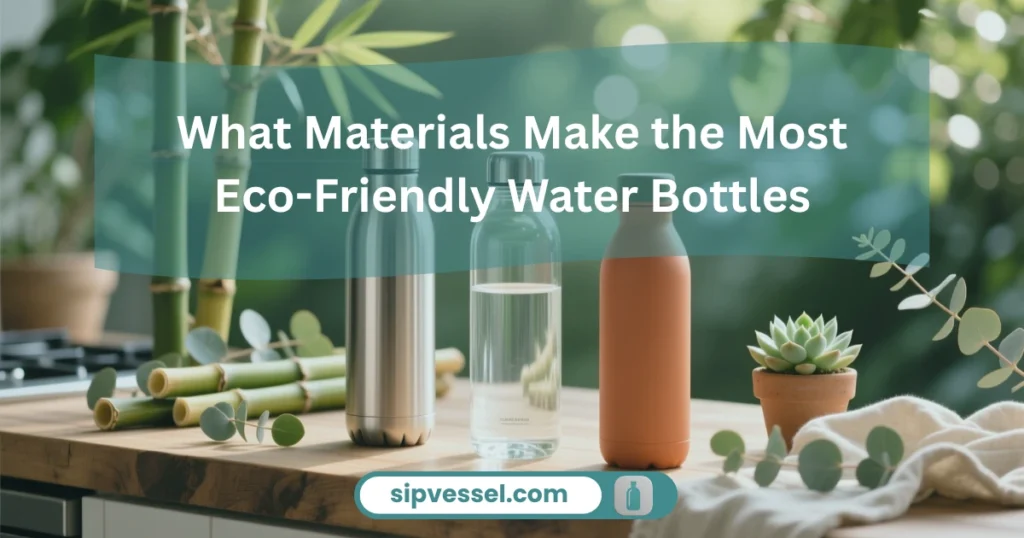
What Materials Make the Most Eco-Friendly Water Bottles
Material choice really matters for how environmentally friendly reusable water bottles actually are. Different materials offer various benefits in durability, safety, and sustainability throughout their lifetime. Understanding these differences helps you pick bottles that match your environmental values and practical needs.
The most eco-friendly bottles balance initial production impact with how long they last. While no material is perfect, some clearly perform better for the environment overall. Looking at the complete lifecycle gives the most accurate picture of true sustainability and impact.
Stainless Steel Bottles and Sustainability
Stainless steel is one of the best sustainable choices for reusable water bottles. These bottles can last for decades with simple care, making their environmental impact tiny. Stainless steel is also completely recyclable forever without losing quality or becoming waste.
The insulation properties keep drinks cold or hot for hours, reducing energy needs. Though production uses more resources initially, the longevity and recyclability make it environmentally responsible. Stainless steel supports zero-waste living goals better than most other bottle materials available today.
BPA-Free Plastic Alternatives
BPA-free plastic bottles offer lightweight, affordable options for people starting their sustainable journey. Modern plastics like Tritan provide durability without dangerous chemicals found in older plastics. These alternatives show that plastic technology can improve to reduce health concerns for users.
However, even BPA-free plastic has environmental limitations compared to metal or glass choices. Plastic still needs petroleum to make, and quality decreases each time it gets recycled. These bottles work well as stepping stones while people save money for longer-lasting sustainable options.
Glass Bottles for Zero Waste Living
Glass bottles represent the purest choice for people committed to zero waste lifestyles. Glass never leaches chemicals or flavors into your drinks regardless of temperature. This material is completely recyclable at full quality forever, making it the most circular option.
The main problem with glass involves fragility and weight compared to other materials. Protective sleeves help prevent breakage while keeping purity benefits glass provides. For home and office use, glass bottles excel as eco-friendly options combining health benefits with environmental responsibility.
The True Cost of Bottled Water on Our Planet
Bottled water’s real environmental price is much higher than the store price tag. Every stage from resource extraction to disposal damages our environment in serious ways. The convenience of disposable bottles hides the massive ecological debt created by this wasteful practice.
Understanding these hidden costs shows why bottled water is one of the worst choices. Marketing shows beautiful mountain springs, but reality involves industrial pollution and resource waste. Recognizing this truth helps people reject harmful products and choose sustainable alternatives that protect Earth.
Manufacturing Impact and Resource Consumption
Plastic bottle manufacturing uses huge amounts of oil, water, and energy while creating pollution. Factories making billions of bottles need massive industrial areas that destroy natural habitats. The total resources used by global bottled water production equals entire countries’ consumption levels annually.
Chemical additives in plastic production create more environmental problems during manufacturing processes. These substances contaminate factory wastewater and need careful disposal to prevent damage. Workers and communities near factories face health risks that rarely appear in advertising materials.
Transportation and Carbon Emissions
Transportation creates a major part of bottled water’s carbon footprint as products travel globally. Trucks, ships, and planes burn fossil fuels moving bottles thousands of miles unnecessarily. Some water travels across continents despite people having perfectly safe local water sources available.
Refrigeration during storage and display adds another layer of energy waste and emissions. Keeping bottles cold in warehouses, trucks, and stores requires constant electricity consumption. This energy-intensive cold chain makes total emissions far higher than simply filling reusable water bottles locally.
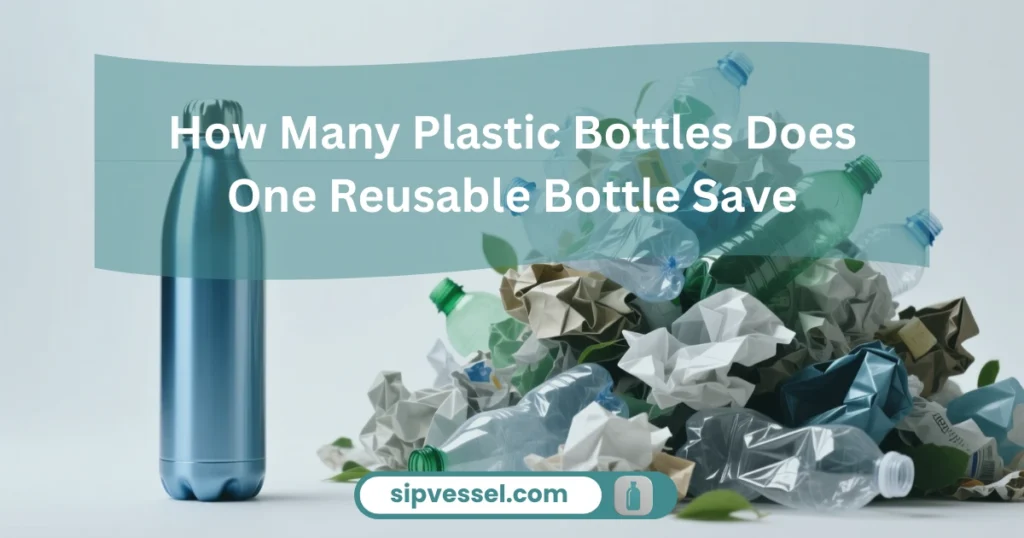
How Many Plastic Bottles Does One Reusable Bottle Save
The savings from switching to reusable options add up to really impressive numbers fast. An average person using one disposable daily prevents 365 bottles yearly from becoming trash. Over five years, this simple change eliminates 1,825 plastic bottles from polluting our environment.
Families multiply these savings to create even more dramatic impacts on waste reduction. A household of four prevents about 7,300 plastic bottles over five years. Schools and offices can eliminate hundreds of thousands of bottles, creating visible improvements communities celebrate.
Can Reusable Water Bottles Really Make a Difference
Some people wonder if individual choices like using reusable water bottles truly matter for Earth. However, data clearly shows that when many people adopt sustainable practices, it creates real change. The bottled water industry responds to customer demand, so refusing disposables directly reduces production.
History proves that consumer behavior shifts can transform entire industries toward sustainability over time. Recycling participation and energy-efficient choices all changed through individual actions becoming normal. Reusable water bottles follow this pattern, with growing use already forcing companies toward sustainable options.
Individual Impact on Global Pollution Prevention
Every person switching to refillable bottles creates a small but real pollution reduction. While one person alone cannot fix planetary problems, millions making similar choices generate enormous impacts. Your decision validates this choice for others, creating social proof that encourages broader adoption.
Your purchases influence corporate behavior as companies track consumer preferences and adjust production. Choosing eco-friendly bottles signals market demand for sustainable products to business leaders. This encourages companies to invest in greener alternatives and stop making environmentally harmful options.
Community and Collective Environmental Action
Communities embracing reusable water bottles show how local efforts create visible environmental improvements. Towns implementing refill stations report measurable decreases in litter and waste management costs. These successes inspire neighboring communities to adopt similar programs that extend beyond individual choices.
Workplace and school programs promoting sustainable hydration multiply individual impacts through institutional change. When organizations provide refill stations, they normalize sustainable behavior for entire groups. These collective efforts shift cultural norms, making eco-friendly choices the default in daily life.
Simple Ways to Start Using Eco-Friendly Bottles Daily
Starting your journey with reusable water bottles needs only small adjustments to daily routines. Select a bottle that fits your lifestyle considering size, weight, and features you need. Place it somewhere visible at home where you’ll remember it each morning like keys.
Gradually expand your bottle use to cover all situations throughout your entire day. Keep bottles in frequently visited places like your car, desk, and gym bag. This strategic placement eliminates excuses for buying disposable bottles while making sustainable choices effortlessly convenient.
Making the Switch from Disposable to Sustainable
Transitioning away from disposable bottles begins with understanding your current habits without guilt. Track how many plastic bottles you use weekly to see your starting point. This awareness creates motivation by revealing how much waste and money your switch saves.
Invest in a quality bottle that you genuinely enjoy using for long-term success. Try different materials and styles to discover what works best for your needs. Many people keep multiple bottles for different purposes, ensuring sustainable choices work for every situation.
Creating Healthy Hydration Habits
Developing consistent hydration habits becomes easier when using reusable water bottles you like. Fill your bottle each morning as part of your routine, ensuring water is available. Set phone reminders if necessary, using your bottle as a visual cue to drink regularly.
Track your water intake using markings on your bottle until good hydration becomes automatic. Many eco-friendly bottles include measurement indicators that help monitor consumption without extra effort. These features turn your sustainable choice into a health tool with dual benefits.
Common Myths About Reusable Water Bottles and the Environment
Misinformation about reusable water bottles sometimes stops people from making sustainable choices unnecessarily. One myth claims washing bottles uses more resources than making disposable ones, which is false. Washing uses minimal water and energy compared to manufacturing, transporting, and disposing of alternatives.
Another misconception suggests reusable bottles aren’t eco-friendly because production has environmental impacts too. While making any product affects the environment, reusable bottles have far lower total impact. A stainless steel bottle offsets production emissions within weeks, then provides years of benefits.
Some worry about bacteria in reusable bottles making them less safe than disposable options. Regular cleaning with soap and water keeps bottles perfectly safe for daily use. Materials like stainless steel and glass don’t harbor bacteria like some people fear incorrectly.
The Future of Sustainable Hydration and Green Living
The future of hydration trends toward increasingly sustainable solutions as environmental awareness grows worldwide. Innovations in bottle materials and design keep improving functionality while reducing environmental impacts. Smart bottles and biodegradable materials represent emerging technologies making sustainable choices even more convenient.
Infrastructure changes supporting reusable bottles are expanding rapidly in public spaces around the world. Airports, parks, and schools increasingly install refill stations making sustainable hydration easy. This investment signals commitment to environmental protection, creating supportive environments where eco-friendly choices become obvious.
Cultural shifts toward zero waste living ensure future generations will view disposables as wasteful. Children growing up with refillable bottles will consider single-use plastics strange and unnecessary. This cultural evolution toward sustainability represents the most powerful force for protecting our planet.
Personal Experience
I remember switching to using reusable water bottles seven years ago after watching a documentary. The massive plastic islands floating in oceans shocked me into realizing my habits contributed. Making the change felt small initially, but tracking prevented bottles gave me satisfaction and motivation.
Over time, my reusable bottle became a constant companion I genuinely appreciate beyond environmental reasons. I’ve saved thousands of dollars that would have bought disposable bottles instead. Friends noticed my choice and many asked questions, leading several to make their switch too.
You can also explore our article on Water Bottle With Straw for more helpful tips.
Frequently Asked Questions
Why are reusable water bottles better for the environment than disposable ones?
They reduce plastic waste, save petroleum resources, and lower carbon emissions from manufacturing and transportation while preventing pollution.
How many plastic bottles does one reusable bottle save per year?
One reusable bottle saves approximately 167 disposable plastic bottles annually for an average person drinking water daily.
What is the most eco-friendly material for reusable water bottles?
Stainless steel offers the best durability and recyclability, though glass and BPA-free plastics are also environmentally friendly alternatives.
Do reusable water bottles really help reduce ocean pollution?
Yes, each disposable bottle prevented from production means less plastic waste potentially entering waterways and oceans threatening marine life.
How long should a reusable water bottle last?
Quality stainless steel and glass bottles can last 10-20 years with proper care, making them excellent long-term investments.
Are reusable water bottles safe and healthy to use?
Yes, when cleaned regularly with soap and water, reusable bottles are safe and often healthier than disposable plastic bottles.
How much money can I save using a reusable water bottle?
Most people save $80-$170 annually by refilling instead of purchasing disposable bottled water regularly throughout the year.
Can washing reusable bottles waste more water than making disposable ones?
No, washing uses minimal water compared to the three liters required to manufacture each liter of bottled water produced.
What should I look for when buying an eco-friendly water bottle?
Choose durable materials like stainless steel or glass, ensure BPA-free construction, and select sizes that match your daily hydration needs.
How do I remember to bring my reusable water bottle everywhere?
Keep bottles in visible locations like near your door, in your car, and at work until carrying them becomes automatic habit.
Conclusion
The environmental importance of reusable water bottles becomes clear when examining massive pollution from single-use plastics. Every disposable bottle represents wasted resources, unnecessary emissions, and lasting damage persisting for centuries. Switching to sustainable hydration through refillable bottles offers a simple yet powerful way to reduce ecological impact.
This choice extends beyond personal benefit, contributing to a growing movement toward environmental consciousness worldwide. As more people embrace eco-friendly bottles, collective impact reduces plastic production and inspires systemic changes. The question isn’t whether reusable water bottles matter—they clearly do—but when each person makes this change. Start today and be part of the solution saving our planet one refill at a time.
Before you go, don’t miss our helpful post on How To Clean Contigo Water Bottle

John Bobo is an author who enjoys sharing ideas, stories, and insights with readers. He writes to inspire, inform, and connect with people through his work.