Clean drinking water is essential for our health, and a Brita water bottle offers a convenient way to enjoy filtered water wherever you go. This portable filtration system uses advanced carbon filter technology to remove impurities and improve the taste of tap water instantly. Whether you’re at the gym, office, or hiking outdoors, understanding how your Brita water bottle works helps you make the most of this eco-friendly hydration solution.
In this article, we will find out how the Brita water bottle filters water using activated carbon technology, what contaminants it removes, and how to maintain your bottle for optimal performance. We’ll explore the filtration process step-by-step, answer common questions, and share practical tips to enhance your filtered hydration experience.
Table of Contents
ToggleThe Benefits of Reading How Does the Brita Water Bottle Filter Water
Learn About Clean Water Quality
Understanding how your Brita water bottle works empowers you to make better choices about your drinking water. When you know what contaminants the filter removes, you gain confidence in the water you consume daily. This knowledge helps you appreciate the technology that transforms ordinary tap water into cleaner, better-tasting hydration. You’ll also recognize when your filter needs replacement to maintain water quality standards.
Make Informed Purchase Decisions
Reading about Brita water bottle filtration helps you decide if this portable water filter meets your specific needs. You can compare different models and understand which features matter most for your lifestyle. Whether you need a bottle for sports activities, travel, or daily commuting, knowing how the filtration system works guides your buying choice. This information saves you money by helping you select the right reusable water bottle from the start.
Maximize Your Filter's Performance
Learning proper usage techniques ensures your Brita water bottle delivers optimal filtration efficiency throughout its lifespan. When you understand the multi-stage filtration process, you can follow best practices for maintenance and care. This knowledge extends the life of your filter cartridge and keeps your drinking water consistently fresh. You’ll also troubleshoot common issues quickly, ensuring uninterrupted access to clean, filtered water every day.
For more hydration tips, you can check our guide on Yeti Water Bottle is a gallon.
What Is a Brita Water Bottle and How Does It Work
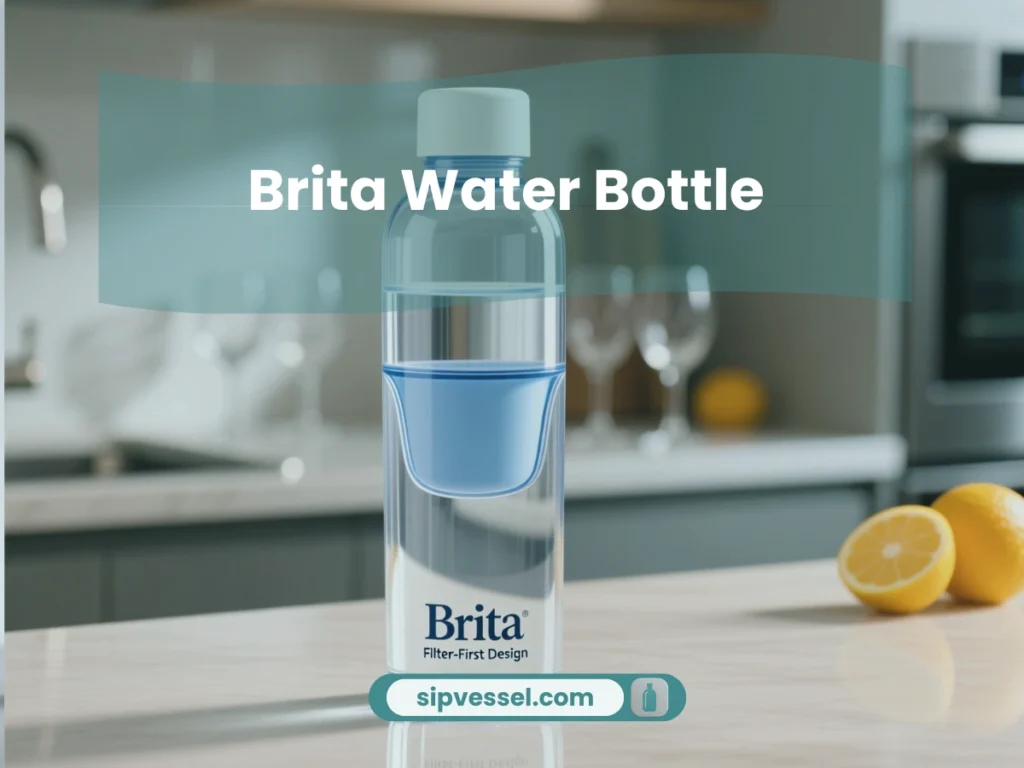
A Brita water bottle is a reusable drinking container with a built-in filter that cleans water as you sip. Unlike regular bottles, this innovative design combines convenience with water purification technology in one portable package. The bottle features a BPA-free plastic construction that’s safe for daily use and gentle on the environment. When you fill it with tap water and drink through the straw, the water passes through an internal filter that removes impurities instantly.
The filtration happens in real-time, meaning you don’t need to wait for water to filter before drinking. The bottle’s design forces water through the filter cartridge using the natural pressure created when you suck through the straw. This clever engineering eliminates the need for batteries or electricity, making it perfect for outdoor activities and travel. The filter sits inside a special housing that keeps it secure while allowing maximum water flow for comfortable drinking.
Understanding the Portable Water Filter Design
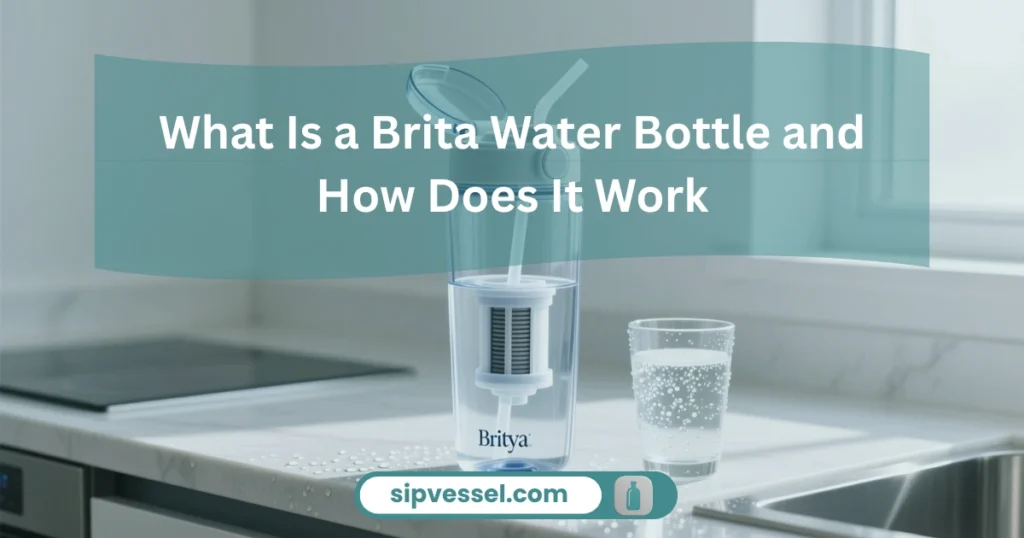
The Brita water bottle consists of several key parts that work together seamlessly for effective filtration. The main body holds unfiltered water, while the filter housing sits at the top near the drinking spout. A flip-top lid protects the straw from dirt and germs when not in use, maintaining hygiene standards. The ergonomic shape fits comfortably in your hand and most cup holders, making it ideal for active lifestyles.
The bottle’s transparent design lets you see how much water remains, so you never run out unexpectedly during workouts or commutes. Many models include a filter replacement indicator that changes color when it’s time for a new cartridge. The leak-proof seal prevents spills in your bag, while the durable construction withstands daily wear and tear. This thoughtful design makes the bottle both functional and practical for people of all ages.
Key Components of the Filtration System
Inside your Brita water bottle, the filter cartridge contains specialized materials designed for contaminant removal. The primary component is activated carbon, which has millions of tiny pores that trap impurities as water passes through. A mesh screen surrounds the carbon to catch larger particles and sediment before they reach the carbon layer. This pre-filtration step protects the main filter and improves overall water clarity.
The straw connects directly to the filter outlet, ensuring all water you drink has passed through the purification process. A silicone seal prevents unfiltered water from bypassing the filter, maintaining the system’s integrity. Some advanced models include ion exchange resin that reduces heavy metals alongside the carbon filtration. These components work together silently and efficiently, providing clean water with every sip you take.
The Science Behind Brita Water Bottle Filtration
The filtration mechanism in a Brita water bottle relies on proven scientific principles that have been used in water treatment for decades. At its core, the system uses adsorption, where contaminants stick to the surface of the activated carbon material. This process differs from absorption, where substances are soaked up like a sponge. The carbon’s porous structure provides an enormous surface area—a single gram can have over 3,000 square meters of internal surface for trapping impurities.
When tap water enters the filter, molecules of chlorine, organic compounds, and other contaminants make contact with the carbon surface. These unwanted substances bind to the carbon through chemical attraction, while clean water molecules pass through freely. The filter medium acts like a molecular sieve, capturing particles based on their size and chemical properties. This selective filtration preserves beneficial minerals in the water while removing elements that affect taste and smell.
Activated Carbon Filter Technology Explained
Activated carbon is created by heating organic materials like coconut shells or coal to extremely high temperatures in the absence of oxygen. This process creates millions of microscopic pores throughout the material, dramatically increasing its surface area. The “activation” step enhances the carbon’s ability to attract and hold contaminants through a process called adsorption. These pores range from 0.01 to 5 micrometers in size, perfect for trapping chlorine molecules and organic compounds.
The carbon in your Brita water bottle filter has been specially processed to target specific contaminants commonly found in municipal tap water. Different pore sizes capture different types of impurities, creating a comprehensive filtration system in a compact space. The carbon also undergoes quality testing to ensure it meets NSF certification standards for drinking water safety. This rigorous preparation makes activated carbon one of the most effective and affordable filtration materials available today.
How Carbon Absorption Removes Impurities
As water flows through the activated carbon, contaminant molecules are drawn to the carbon surface by weak electrical forces. Chlorine molecules, which give tap water its distinctive smell and taste, bind particularly well to carbon surfaces. Organic compounds like pesticides and industrial chemicals also adhere to the carbon through similar chemical attractions. The longer water remains in contact with the carbon, the more thoroughly these impurities are removed.
The filter’s design ensures adequate contact time between water and carbon despite the bottle’s compact size. Water must navigate through the carbon bed’s twisted pathways, maximizing exposure to the filtering material. As the filter captures more contaminants over time, its capacity gradually diminishes, which is why regular replacement is necessary. However, during its operational life, the carbon continuously works to improve water quality with every drink you take.
What Contaminants Does the Brita Water Bottle Remove
The Brita water bottle filter effectively reduces several common tap water contaminants that affect taste and odor. Chlorine, added by water treatment facilities to kill bacteria, is the primary target of the filtration system. Most users immediately notice improved water taste after the chlorine is removed. The filter also reduces copper, mercury, and cadmium, which can leach into water from pipes and plumbing fixtures.
Zinc, another metallic contaminant from plumbing systems, is also reduced by the activated carbon filtration process. These heavy metals, while often present in trace amounts, can accumulate in the body over time. The filter captures particulates that make water appear cloudy or contain sediment. However, it’s important to understand that this portable filtration system is designed for improving already-treated municipal water, not for purifying water from unsafe sources.
Chlorine Taste and Odor Reduction
Chlorine removal is the most noticeable benefit of using a Brita water bottle for most people. Municipal water suppliers add chlorine to kill harmful bacteria and make water safe for consumption. While this treatment is essential for public health, it leaves water with a chemical taste that many find unpleasant. The activated carbon in your filter bonds with chlorine molecules quickly, neutralizing both the taste and smell within seconds.
This taste improvement encourages people to drink more water throughout the day, supporting better hydration habits. Without the chlorine flavor, water tastes fresher and more refreshing, similar to spring water. The filter can remove up to 97% of chlorine from tap water, depending on your local water quality and filter age. This dramatic reduction makes a noticeable difference from the very first sip, providing clean-tasting water instantly.
Other Impurities Filtered from Tap Water
Beyond chlorine, the Brita water bottle filter reduces various organic compounds that can affect water quality. Benzene, a petroleum-derived chemical that sometimes enters water supplies, is captured by the carbon filter. Asbestos fibers, which can leach from old pipes, are also trapped by the filter medium. These contaminants are typically present in very small amounts but contribute to overall water quality concerns.
The filter also reduces certain pesticides and herbicides that may enter water supplies through agricultural runoff. Particulate matter like sand, rust, and sediment from aging pipes is caught by the filter’s outer layers. While the Brita water bottle doesn’t remove bacteria, viruses, or dissolved salts, it significantly improves the taste and clarity of already-safe municipal water. For most urban and suburban users, this level of filtration provides excellent drinking water quality for daily hydration needs.
How Does Water Flow Through the Brita Bottle Filter
Water filtration in your Brita water bottle begins the moment you take a sip through the straw. The negative pressure created by sucking draws water upward from the bottle’s reservoir. This water is forced through the filter cartridge before reaching your mouth, ensuring every drop is purified. The process happens automatically without any buttons or manual pumping required from you.
The filter housing directs water through specific pathways designed for optimal contaminant removal and flow rate. Water first encounters a mesh screen that catches visible particles and sediment. Next, it passes through the dense activated carbon layer where chemical contaminants are adsorbed. Finally, the filtered water travels up the straw to deliver clean, great-tasting hydration with minimal effort.
The Multi-Stage Filtration Process
The filtration journey starts with pre-filtration, where a fine mesh screen traps larger particles like sand and rust. This preliminary step protects the activated carbon from clogging and extends the filter’s overall lifespan. Without this screen, sediment would quickly overwhelm the carbon and reduce filtration efficiency. The mesh openings are sized precisely to catch visible impurities while allowing water molecules to pass freely.
After pre-filtration, water enters the main activated carbon chamber where chemical contaminants are removed. The carbon bed’s thickness and density are calibrated to provide sufficient contact time for thorough purification. Some advanced Brita models include ion exchange resin in this stage to reduce heavy metals alongside organic compounds. The entire process takes just seconds, but the multiple filtration stages ensure comprehensive water treatment in that brief time.
Understanding Filter Flow Rate and Capacity
The flow rate of your Brita water bottle affects both drinking comfort and filtration effectiveness. A faster flow feels more natural when drinking but may reduce contact time with the filter medium. Brita engineers balance these factors to provide convenient drinking while maintaining high filtration standards. Most users find the flow rate comfortable for normal sipping, though it’s slightly slower than drinking from an unfiltered bottle.
The filter’s capacity refers to how many gallons it can treat before requiring replacement. Most Brita water bottle filters are rated for 40 gallons, equivalent to about two months of typical use. As the filter captures more contaminants, the flow rate gradually slows because pores become filled with trapped impurities. When you notice significantly reduced water flow, it’s a sign that the filter is nearing the end of its useful life and should be replaced soon.
Video content created by Abt Electronics. All rights reserved. This video from YouTube is shared here for informational purposes only to support the content of this article. All rights belong to the original creator.
How Long Does a Brita Water Bottle Filter Last
A Brita water bottle filter typically lasts for approximately 40 gallons of water or about two months under normal usage conditions. This duration assumes you refill the bottle 2-3 times daily, which is average for most active individuals. However, actual lifespan varies based on your local water quality and how frequently you use the bottle. Water with higher contamination levels fills the filter’s capacity faster than cleaner source water.
The filter doesn’t suddenly stop working after 40 gallons, but its effectiveness gradually decreases as it captures more impurities. You might notice the water tastes less fresh or the flow rate becomes noticeably slower. Some users in areas with very clean municipal water report their filters lasting slightly longer than the recommended period. Regardless, replacing the filter on schedule ensures you always enjoy optimal water quality and proper contaminant reduction.
Filter Lifespan and Replacement Schedule
Tracking your filter’s age helps you maintain consistent water quality throughout the year. Many people mark their calendar when installing a new filter to remember the replacement date two months later. If you’re an especially heavy water drinker or share the bottle with family members, you may need more frequent replacements. Athletes who refill their bottles 5-6 times daily will reach the 40-gallon limit in just 3-4 weeks.
Regular replacement prevents the filter from becoming a source of bacteria growth or releasing captured contaminants back into your water. An exhausted filter loses its ability to adsorb new impurities because all available carbon sites are occupied. Some users mistakenly continue using filters beyond their recommended life, which compromises water quality significantly. Setting a phone reminder for filter replacement ensures you never forget this important maintenance task.
Reading the Filter Replacement Indicator
Many Brita water bottle models include a helpful replacement indicator built into the lid design. This indicator typically uses a sticker or electronic display that tracks time or usage since the last filter change. Sticker-based indicators require you to set the installation date manually, then remind you when two months have passed. Electronic versions may count down days or estimate gallons used based on typical consumption patterns.
When the indicator shows it’s time to replace the filter, purchase a genuine Brita replacement cartridge for best results. Generic or off-brand filters may not fit properly or provide the same level of contaminant reduction. The indicator is designed with your health in mind, ensuring you replace filters before they become ineffective. Following this guidance maintains the high water quality standards you expect from your portable filtration system.
How to Properly Use Your Brita Water Bottle Filter
Getting the best performance from your Brita water bottle starts with proper initial setup and activation. When you first receive your bottle, the filter needs preparation before its first use. This activation process removes any carbon dust from manufacturing and fully saturates the filter medium. Skipping this step might result in cloudy water or small black particles during your first few uses.
Daily usage is straightforward once your filter is properly activated and installed. Simply fill the bottle with tap water from any source you trust for drinking. The filter works automatically as you sip, requiring no special techniques or procedures. For best results, use cold water, as the filter is designed to work optimally at typical tap water temperatures.
First-Time Activation and Priming
Before using a new filter cartridge, remove it from its packaging and rinse it under cold running water for 15 seconds. This quick rinse washes away loose carbon particles that naturally occur during the manufacturing process. Next, fill your bottle with water and let it sit for about five minutes to allow the filter to fully saturate. This waiting period ensures all the carbon pores are ready to trap contaminants effectively.
After the initial soak, discard the first bottle of filtered water rather than drinking it. This first flush removes any remaining manufacturing residues and primes the filter for optimal performance. Now fill the bottle again, and it’s ready for normal use with full filtration capability. Some users notice a slight carbon taste during the first few uses, which is harmless and disappears after filtering a bottle or two.
Daily Usage and Best Practices
Fill your Brita water bottle with cold or room-temperature tap water for the best filtration results. Avoid using hot water, which can damage the filter and reduce its effectiveness at removing contaminants. The bottle can be refilled as many times as needed throughout the day without any special waiting periods. Each refill receives the same level of filtration as the first, maintaining consistent water quality.
Store your bottle in a cool place away from direct sunlight when not in use to preserve the filter’s integrity. Empty any remaining water if you won’t be using the bottle for several days to prevent bacterial growth. Don’t freeze the bottle, as ice expansion can damage both the filter and the bottle structure. With these simple practices, your Brita water bottle will provide reliable, clean drinking water every time you reach for it.
How Does Brita Water Bottle Compare to Regular Bottles
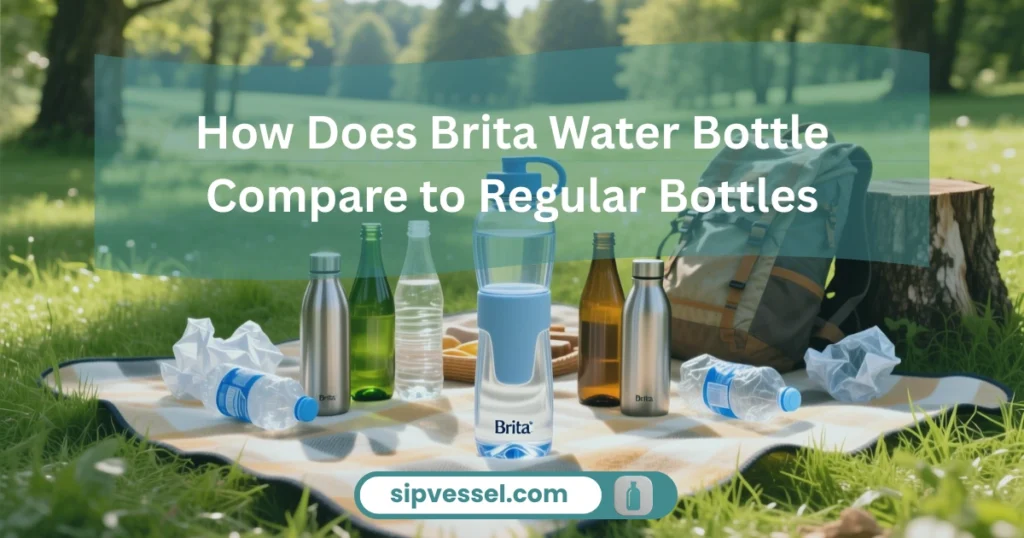
A Brita water bottle offers significant advantages over standard reusable bottles that lack filtration capabilities. While both types keep you hydrated, only the filtered version improves water quality as you drink. Regular bottles simply store whatever water you pour into them, including any chlorine taste or impurities present. The built-in filter transforms ordinary tap water into cleaner, better-tasting hydration without requiring bottled water purchases.
Standard bottles force you to rely on water fountains or pre-filtered water sources when refilling away from home. With a Brita water bottle, any tap provides clean drinking water instantly. This flexibility is especially valuable during travel, outdoor activities, or in locations where bottled water isn’t readily available. The filtration system gives you confidence that your water tastes good and contains fewer impurities regardless of where you fill up.
Benefits of Filtered Hydration On-the-Go
Portable filtration eliminates the need to carry multiple disposable water bottles during long outings or travel days. One reusable Brita water bottle can be refilled countless times from any tap, reducing both waste and the burden of carrying extra supplies. Athletes particularly appreciate having clean-tasting water available during workouts without interrupting their training to find a store. The convenience encourages more frequent hydration, which supports better physical and mental performance throughout the day.
The filtered water tastes consistently good regardless of variations in municipal water treatment from place to place. Travelers notice that tap water tastes different in various cities, but the filter normalizes these differences for a familiar drinking experience. This reliability means you’re more likely to choose water over sugary drinks, supporting healthier beverage choices. The psychological comfort of knowing your water is filtered also enhances the overall hydration experience and satisfaction.
Environmental and Cost Advantages
Using a Brita water bottle dramatically reduces plastic waste compared to buying single-use bottled water regularly. One reusable bottle with replaceable filters eliminates hundreds of disposable bottles from entering landfills annually. This environmental benefit appeals to eco-conscious consumers who want to reduce their carbon footprint. The durable construction means your bottle can last for years, multiplying the positive environmental impact over time.
Financially, the investment in a filtered water bottle pays for itself within weeks for regular bottled water purchasers. A filter cartridge costing a few dollars provides 40 gallons of filtered water, while the same amount of bottled water costs fifty dollars or more. This dramatic cost savings adds up to hundreds of dollars annually for individuals and families. The economic advantage makes clean, filtered water accessible to more people while reducing household expenses significantly.
Can Brita Water Bottle Filter Remove Bacteria
The Brita water bottle filter is not designed to remove bacteria, viruses, or other microbiological contaminants from water. Its activated carbon technology targets chemical impurities, heavy metals, and taste/odor issues in already-treated municipal water. Most tap water in developed countries has already been disinfected by water treatment facilities to eliminate harmful microorganisms. The Brita filter enhances the taste and removes residual chemicals but doesn’t provide additional microbiological protection.
If you need to filter water from questionable sources like streams, lakes, or unreliable tap water systems, you need a different type of filter. Specialized camping filters or purifiers with ceramic elements or UV light can eliminate bacteria and protozoa. The Brita water bottle is perfect for improving city water quality but isn’t intended for wilderness survival or use in areas with unsafe water supplies. Understanding this limitation ensures you use the right tool for your specific water filtration needs.
How to Clean and Maintain Your Brita Water Bottle
Regular cleaning keeps your Brita water bottle hygienic and extends its usable life beyond just replacing the filter. The bottle itself requires washing even though the filter purifies the water you drink. Bacteria can grow on wet surfaces inside the bottle, particularly around the lid and straw area. A simple cleaning routine every few days prevents buildup and ensures your drinking experience remains fresh and safe.
Maintenance involves more than just rinsing the bottle with water after each use. Proper care includes thoroughly washing all components, allowing them to dry completely, and storing the bottle correctly. These habits prevent mold growth, eliminate odors, and keep the bottle looking new despite daily use. A well-maintained Brita water bottle can provide years of reliable service with minimal effort.
Proper Cleaning Instructions
Wash your Brita water bottle thoroughly with warm soapy water at least every 2-3 days or after each use if possible. Remove the filter cartridge before cleaning, as the filter itself should never be washed with soap or detergent. Use a bottle brush to scrub the interior walls, bottom, and hard-to-reach areas where residue accumulates. Pay special attention to the lid, straw, and drinking spout, as these areas contact your mouth and can harbor bacteria.
Rinse all parts thoroughly under running water to remove all soap residue before reassembling. Some Brita water bottle components are dishwasher safe on the top rack, but check your specific model’s instructions first. Allow all pieces to air dry completely before reinserting the filter and storing the bottle. This drying step prevents moisture from creating an environment where bacteria or mold can multiply between uses.
Extending Your Bottle's Lifespan
Avoid dropping your bottle or exposing it to extreme temperatures that could crack the plastic material. When not in use for extended periods, store the bottle with the lid off to promote air circulation and prevent musty odors. Replace worn parts like straws or gaskets when they show signs of deterioration to maintain the leak-proof seal. These small maintenance efforts keep your bottle functioning like new for years.
Inspect the filter housing periodically for cracks or damage that could allow unfiltered water to bypass the cartridge. If you notice any structural problems, contact Brita customer service for guidance on repairs or replacement. Treating your bottle gently during daily use prevents most damage and ensures reliable performance. With proper care, the bottle’s body lasts far longer than any individual filter cartridge.
Common Problems and Solutions with Brita Water Bottle Filters
Even with proper use, Brita water bottle owners occasionally encounter minor issues that affect performance. Understanding common problems and their solutions helps you quickly restore optimal function without frustration. Most issues stem from improper filter installation, old filters, or simple maintenance oversights. Fortunately, these problems are easy to diagnose and fix with basic troubleshooting steps.
Recognizing when a problem requires filter replacement versus simple cleaning saves time and money. Some issues resolve with a thorough washing, while others indicate the filter has reached the end of its useful life. Learning to distinguish between these situations helps you take the right corrective action immediately.
Slow Water Flow Issues
When water barely trickles through your filter, the most common cause is an exhausted filter cartridge filled with trapped contaminants. As the filter captures impurities over time, its pores become clogged, restricting water flow significantly. If your filter is near the end of its recommended lifespan, slow flow is a clear signal to install a fresh replacement. This simple solution immediately restores normal drinking comfort and filtration efficiency.
Air bubbles trapped in a new filter can also cause temporary flow problems during initial use. Tap the filter gently against your hand or a countertop to dislodge air pockets that interfere with water passage. Sometimes mineral buildup on the filter surface reduces flow even before the filter’s capacity is reached. If your water is particularly hard, you might need to replace filters slightly more frequently than the standard two-month schedule.
Strange Taste After Filtering
An unusual taste after filtering often indicates the filter has reached its maximum contaminant capacity and needs replacement. When all the activated carbon sites are occupied with trapped impurities, the filter can no longer remove new contaminants effectively. Some captured substances may even begin releasing back into your water if the filter is extremely overused. Installing a fresh filter cartridge eliminates taste issues related to filter exhaustion.
A new filter might produce a slight carbon taste during the first few uses, which is harmless and temporary. This taste comes from carbon fines and disappears after filtering a bottle or two of water. If taste problems persist with a fresh filter, the issue might be with your source water rather than the filtration system. In rare cases, defective filter cartridges can cause persistent taste problems, and you should contact Brita for a replacement under warranty.
Are Brita Water Bottle Filters Worth the Investment
For most people who drink municipal tap water regularly, a Brita water bottle represents an excellent investment in health and convenience. The upfront cost of the bottle and ongoing filter replacements is minimal compared to purchasing bottled water continuously. The immediate improvement in water taste encourages better hydration habits, which benefits overall health and wellbeing. This positive impact on daily life makes the small investment highly worthwhile for the majority of users.
The value proposition is especially strong for people who dislike their tap water’s taste but want to avoid the environmental impact of disposable bottles. Families with children benefit from the safety of BPA-free construction and the educational opportunity to discuss water quality and environmental responsibility. Athletes and active individuals appreciate the convenience of clean water anywhere, supporting peak performance during workouts. The bottle pays for itself quickly while delivering ongoing benefits that enhance quality of life.
| Cost Comparison | Brita Water Bottle | Bottled Water |
|---|---|---|
| Initial Investment | $15-25 (bottle) | $0 |
| 40 Gallons Cost | ~$5 (one filter) | ~$50-80 |
| Annual Cost (240 gallons) | ~$45 total | ~$300-480 |
| Environmental Impact | Low (reusable) | High (hundreds of bottles) |
| Convenience | Refill anywhere | Must purchase/carry |
Personal Experience
I started using a Brita water bottle about a year ago after constantly buying plastic water bottles during my daily commute. The difference in taste was immediately noticeable – my city’s tap water always had a strong chlorine smell that made me hesitate to drink it. With the Brita water bottle, that chemical taste disappeared completely, and the water tasted fresh and clean. I found myself actually enjoying drinking water throughout the day instead of just forcing it down for health reasons.
The convenience factor changed my hydration habits significantly. I keep the bottle on my desk at work and refill it from the kitchen tap without worrying about taste or quality. During weekend hikes, I can refill from public fountains and trust that the filtered water tastes good. The money I’ve saved on bottled water has easily covered the cost of replacement filters, and I feel good knowing I’m not adding hundreds of plastic bottles to landfills. The Brita water bottle became an essential daily companion that I rarely leave home without.
You can also explore our article on How To Clean Gatorade Water Bottle or more helpful tips.
Frequently Asked Questions
How often should I replace my Brita water bottle filter?
Replace your filter every 40 gallons or approximately every two months, whichever comes first, to maintain optimal water quality.
Can I use hot water in my Brita water bottle?
No, only use cold or room-temperature water, as hot water can damage the filter and reduce its effectiveness.
Does the Brita water bottle remove fluoride from tap water?
No, the activated carbon filter does not remove fluoride, which remains in the filtered water at the same concentration.
Why does my water flow slowly through the filter?
Slow flow usually indicates the filter is nearing the end of its life and should be replaced for better performance.
Can I put my Brita water bottle in the dishwasher?
Check your specific model, but most bottles are top-rack dishwasher safe after removing the filter cartridge first.
Does the filter need to stay wet between uses?
Yes, keeping the filter moist helps maintain its effectiveness, so store the bottle with some water inside if possible.
Can I filter water from lakes or streams with this bottle?
No, this bottle is designed only for already-treated municipal tap water, not for purifying water from natural sources.
What do I do if my filtered water tastes like plastic?
Wash the bottle thoroughly with soap and water, and ensure it’s a new bottle going through initial break-in period.
How do I know when my filter needs replacing?
Watch for slower water flow, reduced taste improvement, or use the replacement indicator if your bottle has one.
Are replacement filters expensive?
Filters cost $5-8 each and last two months, making them very affordable compared to buying bottled water regularly.
Conclusion
Understanding how the Brita water bottle filters water empowers you to make informed decisions about your hydration and health. The activated carbon technology effectively removes chlorine, heavy metals, and other contaminants that affect taste and odor. This portable filtration system provides clean, great-tasting water wherever you go, eliminating the need for expensive bottled water. With proper maintenance and regular filter replacement, your bottle delivers reliable performance for years.
The environmental and financial benefits make this investment worthwhile for most people who want better-tasting tap water. By reducing plastic waste and saving money, you contribute to a healthier planet while improving your daily hydration experience. Whether you’re commuting to work, exercising at the gym, or exploring outdoors, having clean water at your fingertips supports an active lifestyle. The Brita water bottle combines convenience, sustainability, and effective filtration in one practical solution for modern hydration needs.
Before you go, don’t miss our helpful post on Glass Water Bottle for more lifestyle insights.

John Bobo is an author who enjoys sharing ideas, stories, and insights with readers. He writes to inspire, inform, and connect with people through his work.