Staying hydrated is one of the simplest yet most important things you can do for your health. Many people wonder exactly how many bottles of water should i drink a day to maintain proper hydration and support their body’s functions. The answer isn’t the same for everyone because your water needs depend on several factors like your body size, activity level, and the climate where you live.
In this article, we will find out that understanding your personal hydration needs can help you feel more energetic, improve your health, and prevent common problems like headaches and fatigue. We’ll explore simple calculations, practical tips, and easy-to-follow guidelines that make drinking enough water an effortless part of your daily routine.
Table of Contents
ToggleThe Benefits of Reading How Many Bottles of Water Should I Drink a Day
Understanding Your Personal Hydration Needs
Learning about your specific water requirements helps you create a hydration plan that actually works for your lifestyle. Everyone’s body is different, and factors like your weight, age, and daily activities all play a role in determining how much fluid you need. When you understand these personal factors, you can stop guessing and start drinking the right amount of water that your body truly needs each day.
Preventing Dehydration and Health Issues
Knowing how many bottles of water you should i drink a day protects you from dehydration and its uncomfortable symptoms. Dehydration can cause headaches, dizziness, dry skin, and low energy levels that affect your daily performance. By following proper hydration guidelines, you support your kidney function, maintain healthy digestion, and keep your body temperature regulated throughout the day.
Building Sustainable Daily Water Habits
Understanding daily water intake helps you build lasting habits that improve your overall wellness. When you know exactly how many bottles to aim for, tracking becomes simple and achievable. This knowledge empowers you to make better health choices, stay consistent with your hydration goals, and experience the long-term benefits of proper fluid consumption.
For more hydration tips, you can check our guide on how many 16 oz water bottles is a gallon.
Understanding Daily Water Intake Requirements
Your body needs water for almost every function it performs throughout the day. Water helps transport nutrients to your cells, removes waste products, cushions your joints, and regulates your body temperature. The general recommendation from health experts suggests that adults should consume adequate fluids daily to replace what they lose through breathing, sweating, and normal bodily functions.
The National Academies of Sciences provides guidelines that recommend about 15.5 cups for men and 11.5 cups for women from all beverages and foods combined. However, these numbers can feel confusing when you’re trying to figure out how many actual water bottles this equals. The good news is that roughly 20% of your daily fluid intake typically comes from food, especially fruits and vegetables with high water content.
How Body Weight Affects Your Water Consumption
Your body weight plays a significant role in determining your personal hydration requirements. Larger bodies have more cells that need water, more blood volume to maintain, and generally require more fluids to function optimally. A simple calculation method suggests drinking half an ounce to one ounce of water per pound of body weight each day.
For example, if you weigh 150 pounds, you would need between 75 to 150 ounces of water daily depending on your activity level. This means a person weighing 150 pounds might need anywhere from five to nine standard 16-ounce water bottles throughout the day. Using your body weight as a starting point provides a more personalized approach than following one-size-fits-all recommendations.
Standard Water Bottle Sizes and Daily Calculations
Common Bottle Sizes (16 oz, 20 oz, 24 oz)
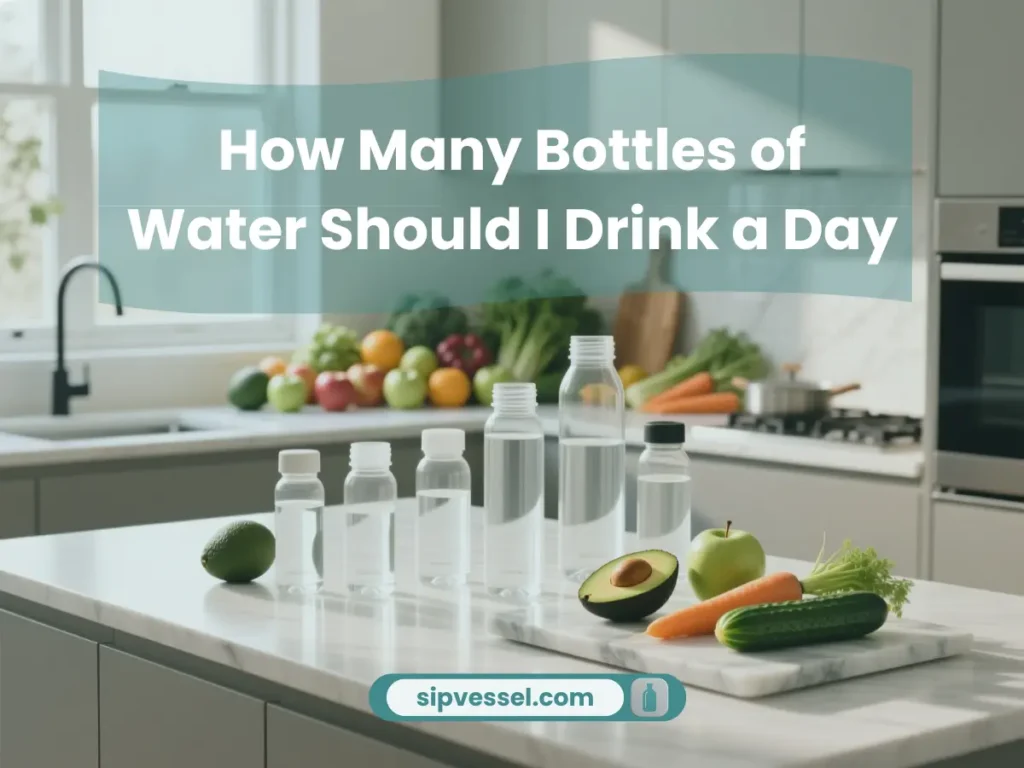
Water bottles come in various sizes, and understanding these measurements helps you track your intake more accurately. The most common reusable water bottle sizes are 16 ounces (2 cups), 20 ounces (2.5 cups), 24 ounces (3 cups), and 32 ounces (4 cups). Disposable plastic water bottles typically hold 16.9 ounces, which is just over 2 cups of water.
Knowing your bottle size makes it easier to calculate how many refills you need each day. Most people find it helpful to choose one bottle size and stick with it for consistency. This way, you don’t have to recalculate your needs every time you use a different container.
Converting Bottles to Daily Recommendations
If you’re aiming for the common recommendation of 64 ounces (8 cups) per day, you would need four 16-ounce bottles, about three 20-ounce bottles, or roughly two and a half 24-ounce bottles. For those following the higher recommendation of 100 ounces daily, you’d need about six 16-ounce bottles or five 20-ounce bottles. Creating a simple conversion chart for your specific bottle can make daily tracking effortless.
Many people find it helpful to set bottle goals rather than trying to count individual glasses. For instance, if you carry a 24-ounce bottle, knowing you need to finish it four times throughout the day feels more manageable than thinking about eight separate glasses.

The 8x8 Rule: Does It Really Work
The popular “8×8 rule” suggests drinking eight 8-ounce glasses of water per day, totaling 64 ounces. This guideline has been around for decades and provides a simple, memorable target for most people. While it’s not based on rigorous scientific research, it serves as a reasonable baseline for average adults living in moderate climates with moderate activity levels.
However, the 8×8 rule doesn’t account for individual differences in body size, activity level, or environmental conditions. Someone who exercises regularly or lives in a hot climate will need considerably more than 64 ounces daily. Think of the 8×8 rule as a minimum starting point rather than a perfect prescription for everyone.
Video content created by SELF. All rights reserved. This video from YouTube is shared here for informational purposes only to support the content of this article. All rights belong to the original creator.
How Much Water Should Women Drink Per Day
Women generally require about 11.5 cups (92 ounces) of total fluid intake daily according to health recommendations. This translates to roughly five to six 16-ounce water bottles if you’re getting most of your hydration from plain water. Remember that this total includes fluids from all sources including coffee, tea, milk, and water-rich foods.
Female hydration needs can vary significantly during different life stages. Hormonal changes during menstrual cycles may increase fluid retention or loss. Women who are more physically active, live in warmer climates, or have larger body sizes will need to adjust their intake upward from this baseline recommendation.

How Much Water Should Men Drink Per Day
Men typically need about 15.5 cups (124 ounces) of total fluids daily from all sources combined. If you’re drinking mostly plain water, this equals approximately seven to eight 16-ounce bottles throughout the day. Men generally have larger body masses and more muscle tissue, which requires more water for proper function and maintenance.
Active men who exercise regularly or work physical jobs may need to add two to four extra bottles of water beyond this baseline. The key is paying attention to your body’s signals and adjusting your intake based on your thirst, urine color, and energy levels throughout the day.
Water Needs for Children and Teens
Children have different hydration requirements based on their age, size, and activity level. Young children ages 4-8 typically need about 5 cups (40 ounces) daily, which equals about two to three standard water bottles. Older children and teens ages 9-13 need approximately 7-8 cups (56-64 ounces), or about four 16-ounce bottles per day.
Teaching children healthy hydration habits early sets them up for lifelong wellness. Kids are often so busy playing that they forget to drink water regularly. Parents can help by sending labeled water bottles to school, offering water-rich snacks like watermelon, and modeling good hydration habits themselves.
Does Coffee and Tea Count Toward Water Intake
Many people wonder if their morning coffee or afternoon tea contributes to their daily fluid goals. The good news is that all beverages contribute to your hydration status, including caffeinated drinks. While caffeine has a mild diuretic effect, research shows that regular coffee and tea drinkers develop a tolerance, and these beverages still provide net hydration benefits.
However, plain water remains the best choice for meeting your hydration needs because it has no calories, sugar, or additives. If you drink three cups of coffee or tea daily, you can count those toward your fluid intake, but try to make water your primary beverage. Aim to drink at least half of your daily fluid requirements from plain water for optimal health benefits.

How Exercise and Physical Activity Change Your Water Needs
Physical activity significantly increases your water requirements because you lose fluids through sweat and increased respiration. For moderate exercise lasting less than an hour, add one to two extra 16-ounce bottles to your daily intake. For intense workouts or exercise lasting more than an hour, you may need to add three to four additional bottles of water.
A good rule of thumb is to drink one cup of water for every 15-20 minutes of exercise. Weigh yourself before and after long workouts to see how much fluid you’ve lost through sweat. For every pound lost during exercise, drink approximately 16-20 ounces of water to properly rehydrate your body afterward.
Climate and Weather Impact on Hydration Requirements
Hot and humid weather dramatically increases your water needs because your body sweats more to regulate temperature. During summer months or in tropical climates, you may need to add two to four extra bottles of water to your normal daily intake. Even indoor heating during winter can dry out the air and increase your fluid requirements.
High altitude environments also demand extra hydration because the dry mountain air causes you to lose moisture more quickly through breathing. If you’re traveling to different climates or experiencing seasonal weather changes, pay close attention to your body’s thirst signals and adjust your water bottle intake accordingly.
Signs You're Drinking Enough Water
Your body provides clear indicators when you’re properly hydrated. The most reliable sign is light yellow or pale straw-colored urine throughout the day. You should be urinating every two to four hours, and you should feel energized without persistent fatigue or afternoon energy crashes.
Other positive signs include moist lips and skin, lack of persistent thirst, regular bowel movements, and mental clarity. When you’re well-hydrated, you’ll likely notice improved concentration, better physical performance, and fewer headaches. These indicators are more reliable than following rigid rules about how many bottles of water should i drink a day.
What Happens When You Don't Drink Enough Water
Dehydration occurs when your fluid losses exceed your intake, and even mild dehydration can affect how you feel and function. Early symptoms include thirst, darker urine, dry mouth, headaches, and feeling tired or dizzy. Your concentration and mood may suffer, making it harder to focus at work or school.
Chronic under-hydration can lead to more serious problems like kidney stones, urinary tract infections, constipation, and poor skin health. Your body’s ability to regulate temperature becomes impaired, and you may experience muscle cramps during physical activity. Severe dehydration requires medical attention, but most cases can be prevented by consistently drinking adequate water throughout the day.

Can You Drink Too Much Water
While rare, drinking excessive amounts of water can lead to a dangerous condition called hyponatremia or water intoxication. This happens when you consume so much water that it dilutes the sodium levels in your blood to dangerous levels. Symptoms include nausea, confusion, headaches, and in severe cases, seizures or coma.
Most healthy people don’t need to worry about drinking too much water if they’re following their body’s thirst signals. Problems typically occur when people force themselves to drink excessive amounts in short periods, often during endurance events, without replacing electrolytes. If your urine is consistently clear like water, you might be overhydrating and can safely reduce your intake slightly.
Best Times to Drink Water Throughout the Day
Spreading your water intake throughout the day is more effective than trying to drink large amounts at once. Start your morning with one to two cups of water to rehydrate after sleeping. Drink a glass 30 minutes before each meal to support digestion and help control portion sizes.
Keep a water bottle at your desk and take sips regularly during work hours rather than waiting until you feel thirsty. Drink water before, during, and after exercise sessions. Have another glass in the evening, but limit intake an hour before bedtime to avoid nighttime bathroom trips that disrupt your sleep quality.
How to Track Your Daily Water Bottle Intake
Tracking your water consumption doesn’t need to be complicated or time-consuming. The simplest method is using a marked water bottle that shows measurement lines for different times of day. Many reusable bottles now come with time markers like “9 AM,” “12 PM,” and “3 PM” to keep you on schedule.
You can also use smartphone apps designed for hydration tracking where you log each bottle you finish. Some people prefer the physical approach of using rubber bands around their bottle, moving one band off for each bottle completed. Find a tracking method that feels natural and easy enough that you’ll actually stick with it consistently.
| Tracking Method | Best For | Pros | Cons |
|---|---|---|---|
| Time-marked bottle | Visual learners | Easy to see progress, no technology needed | Must refill same bottle |
| Smartphone app | Tech-savvy users | Detailed tracking, reminders, statistics | Requires phone access |
| Rubber band system | Tactile learners | Simple, satisfying, no distractions | Less precise measurements |
| Journal logging | Detail-oriented people | Can track other health factors too | Time-consuming |
Water Intake for Weight Loss Goals
Proper hydration supports weight loss efforts in several important ways. Drinking water before meals can help you feel fuller and naturally eat fewer calories. Studies show that drinking 16 ounces of water before meals can increase weight loss by about 44% over a 12-week period compared to not drinking water before eating.
Water also helps your body metabolize stored fat and increases calorie burning slightly throughout the day. When you’re trying to lose weight, aim for the higher end of your water recommendations. If your calculation suggests 6-8 bottles daily based on body weight, choose 8 bottles and drink one before each meal and snack to support your weight loss journey.
Hydration Needs During Pregnancy and Breastfeeding
Pregnant women need extra fluids to support increased blood volume, amniotic fluid, and the baby’s development. The recommendation is about 10 cups (80 ounces) of total fluids daily, which equals roughly five 16-ounce water bottles. Many pregnant women find they’re naturally thirstier and their body guides them to drink more.
Breastfeeding mothers require even more fluids, approximately 13 cups (104 ounces) daily, or about six to seven water bottles. Milk production uses significant amounts of water, so staying well-hydrated helps maintain milk supply and prevents maternal dehydration. Keep a water bottle nearby during nursing sessions as a reminder to drink regularly.
Medical Conditions That Affect Water Requirements
Certain health conditions change how much water your body needs. People with kidney stones, urinary tract infections, or bladder problems often need to increase their fluid intake significantly. Doctors may recommend drinking 10-12 glasses daily to help flush the urinary system and prevent stone formation.
Conditions like heart failure or kidney disease may require limiting fluid intake instead. Some medications also affect water needs, with diuretics increasing requirements and others necessitating restrictions. Always follow your healthcare provider’s specific recommendations if you have medical conditions that affect hydration, rather than following general guidelines about how many bottles of water should i drink a day.
| Condition | Water Need Change | Typical Recommendation |
|---|---|---|
| Kidney stones | Increase significantly | 10-12 cups daily |
| UTI | Increase moderately | 8-10 cups daily |
| Heart failure | May need limitation | Follow doctor’s orders |
| Diabetes | Increase moderately | 8-10 cups daily |

Choosing the Right Reusable Water Bottle
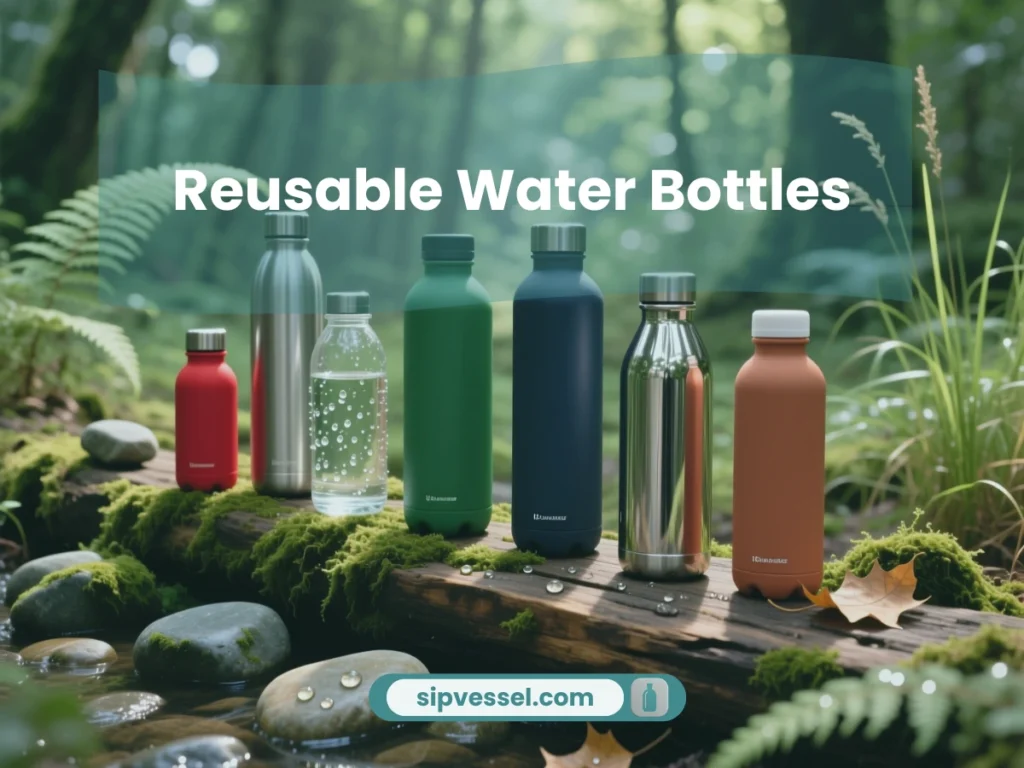
Selecting the right water bottle can make staying hydrated much easier and more enjoyable. Stainless steel bottles keep water cold for hours and don’t retain flavors or odors. Glass bottles offer a clean taste but are heavier and more fragile. Plastic bottles are lightweight and affordable but may retain flavors over time.
Consider bottle size based on your lifestyle and daily goals. A 32-ounce bottle means fewer refills but more weight to carry. A 16-ounce bottle is lighter and fits in most cup holders but requires more frequent filling. Look for features like easy-clean wide mouths, leak-proof lids, carrying handles, and measurement markers that help you track progress throughout the day.
Personal Experience
I used to struggle with headaches and afternoon fatigue until I realized I was barely drinking three small bottles of water each day. Once I calculated how many bottles of water should i drink a day based on my body weight and started carrying a 24-ounce bottle everywhere, I noticed dramatic changes. Within just one week, my energy levels improved significantly, my skin looked clearer, and those persistent headaches disappeared completely.
Now I’ve made hydration a natural part of my routine by keeping filled bottles in my car, at my desk, and on my nightstand. I aim for four of my 24-ounce bottles daily, which equals 96 ounces total. This simple change has transformed how I feel throughout the day, and tracking my intake has become second nature rather than a chore I have to think about constantly.
You can also explore our article on How To Clean Hydrogen Water Bottle or more helpful tips.
Frequently Asked Questions
How many 16 oz bottles of water should I drink a day?
Most adults need 4-8 bottles of 16-ounce water daily depending on body weight and activity level.
Is 4 bottles of water a day enough?
Four 16-ounce bottles equal 64 ounces, which meets minimum needs for smaller adults but may be insufficient for larger or active individuals.
How do I know if I'm drinking enough water?
Check your urine color; pale yellow indicates good hydration while dark yellow suggests you need more water.
Should I drink water even if I'm not thirsty?
Yes, thirst isn’t always a reliable indicator, especially for older adults, so drink water regularly throughout the day.
Can I drink all my water at once?
No, your body absorbs water better when consumed gradually throughout the day rather than in large amounts at once.
Does the water in food count toward my daily intake?
Yes, about 20% of daily water intake typically comes from foods, especially fruits and vegetables.
What size water bottle is best for tracking daily intake?
A 24-32 ounce bottle requires fewer refills while still being portable, making tracking easier for most people.
Do I need more water in winter?
Indoor heating can be dehydrating, so winter water needs often remain similar to summer despite less obvious sweating.
How much water should I drink before a workout?
Drink 16-20 ounces of water 2-3 hours before exercise and another 8 ounces 20 minutes before starting.
Can drinking more water help with weight loss?
Yes, water supports metabolism, reduces hunger, and helps the body burn calories more efficiently when combined with healthy eating.
Conclusion
Understanding how many bottles of water should i drink a day empowers you to take control of your health in a simple yet powerful way. Your personal water needs depend on your body weight, activity level, climate, and overall health status, but calculating your specific requirements is straightforward once you know the basic principles. Starting with your body weight and adjusting for your lifestyle factors gives you a personalized hydration goal that works for your unique situation.
Making hydration a consistent habit transforms your energy, concentration, skin health, and overall wellbeing in noticeable ways. Choose a tracking method that fits your lifestyle, invest in a quality reusable water bottle you enjoy using, and spread your intake throughout the day for optimal absorption. Remember that small, consistent efforts add up to significant health improvements, and staying properly hydrated is one of the easiest wellness habits you can maintain. By figuring out exactly how many bottles of water should i drink a day and making it part of your routine, you’re investing in better health that you’ll feel in every aspect of your life.
Before you go, don’t miss our helpful post on How To Clean Stainless Steel Water Bottle for more lifestyle insights.

John Bobo is an author who enjoys sharing ideas, stories, and insights with readers. He writes to inspire, inform, and connect with people through his work.